
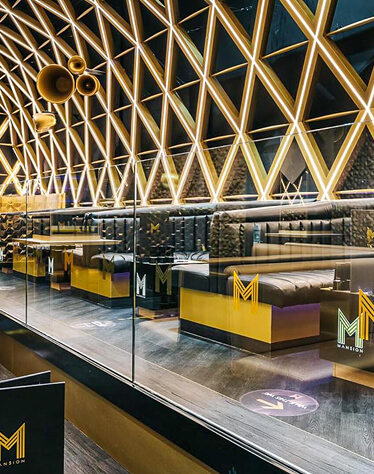
Why is the audio industry trying to be invisible?
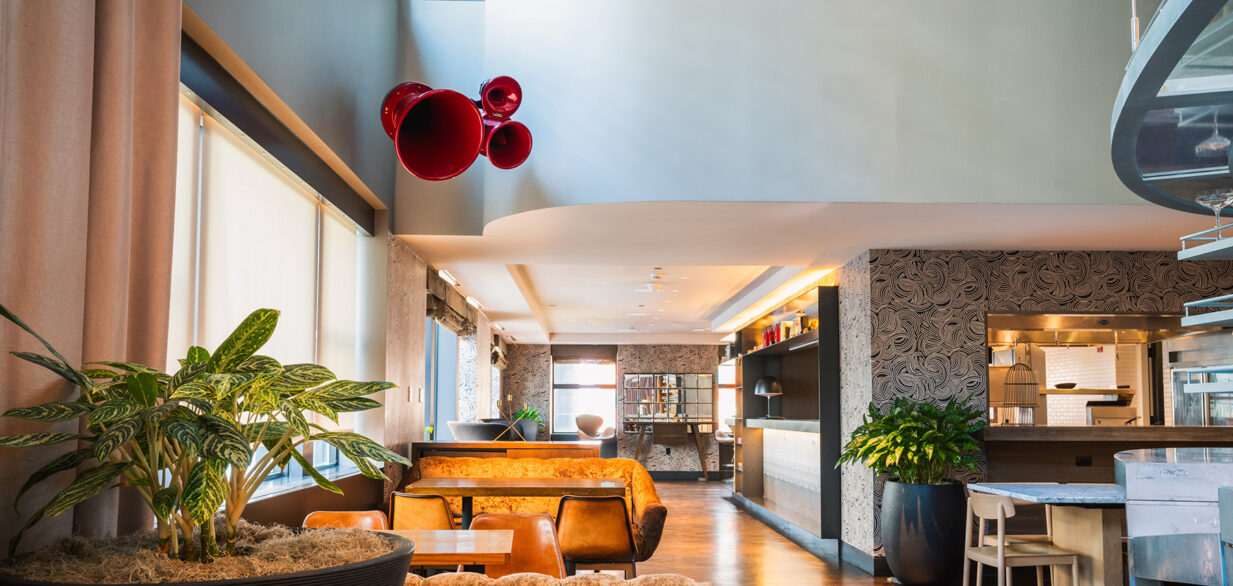
Why is the audio industry trying to be invisible?
By Sam Brandon, Managing Director, Void Acoustics
Hospitality designers consider every light fitting, material and piece of furniture. Loudspeakers deserve that same ambition. Sam Brandon asks what professional audio could contribute if we gave designers more to work with.
I work in the professional audio industry, and there’s something about this industry I don’t understand.
Why do we seem to have an ambition to be invisible?
Hospitality designers spend enormous amounts of time creating beautiful spaces. Every light fitting, every piece of furniture, every material has been considered. Together, those decisions give a place its character.
Why design a beautiful space, only to treat one of its most important experiential elements as something to conceal?
That question is for us, the audio manufacturers. We should be giving designers loudspeakers that deserve the same consideration as everything else in the room.
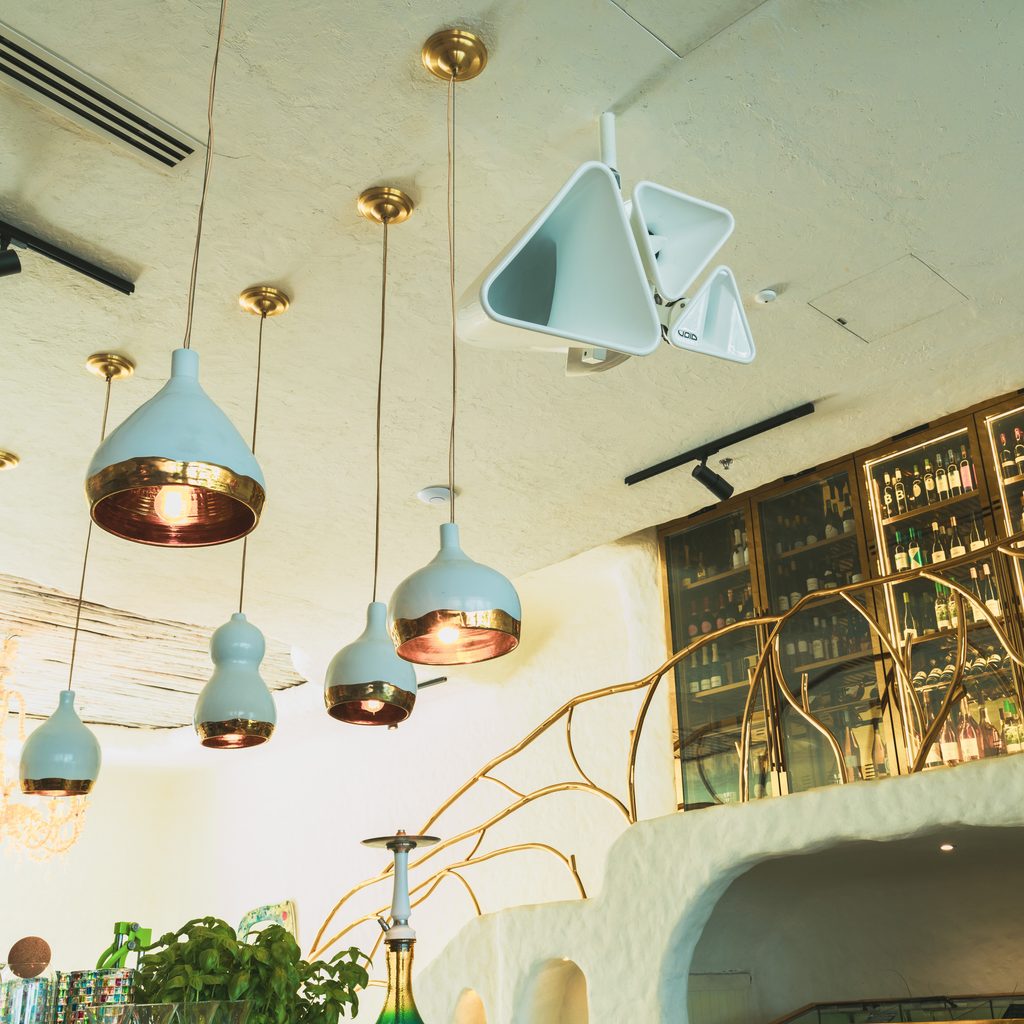
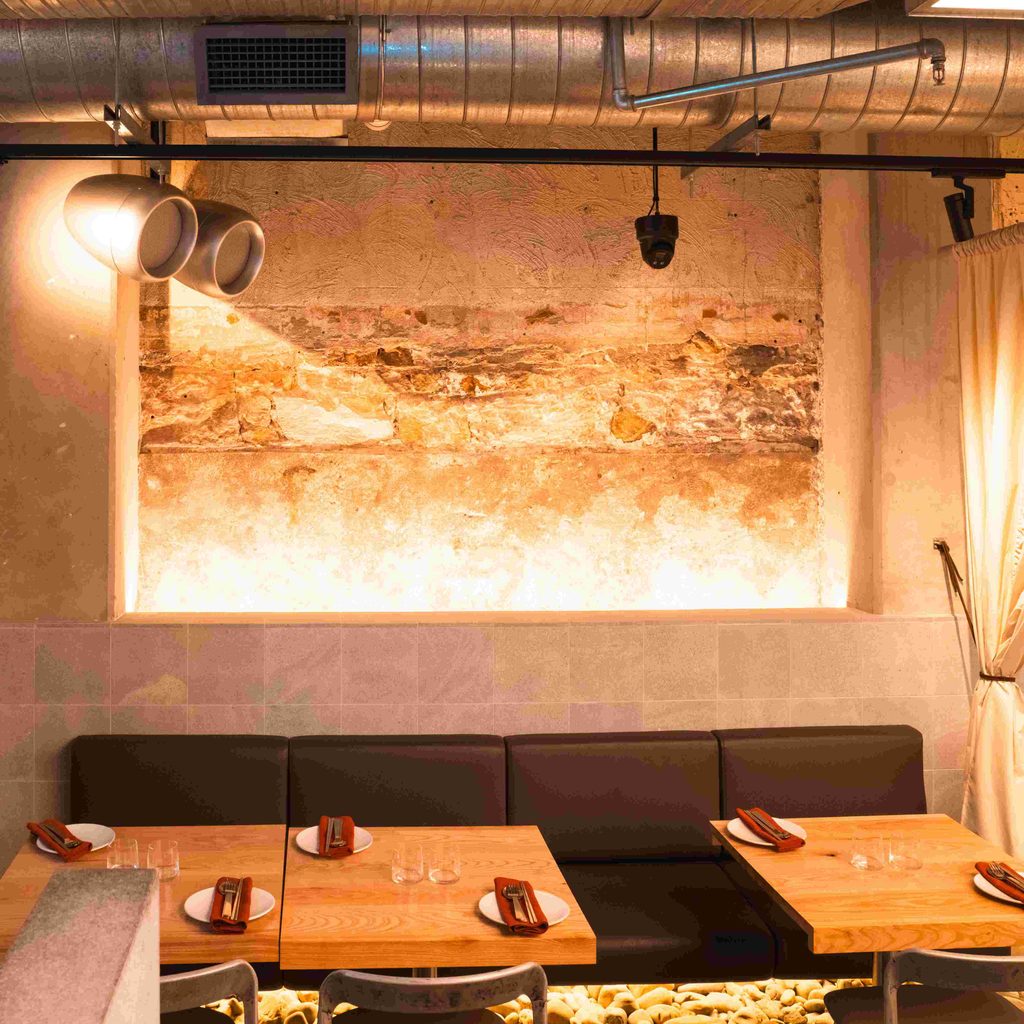
Give designers something to work with
Of course, some spaces need discreet sound. Absolutely. The brief might call for a system that disappears into the architecture, and we should respect that.
But invisibility shouldn’t be the limit of our ambition.
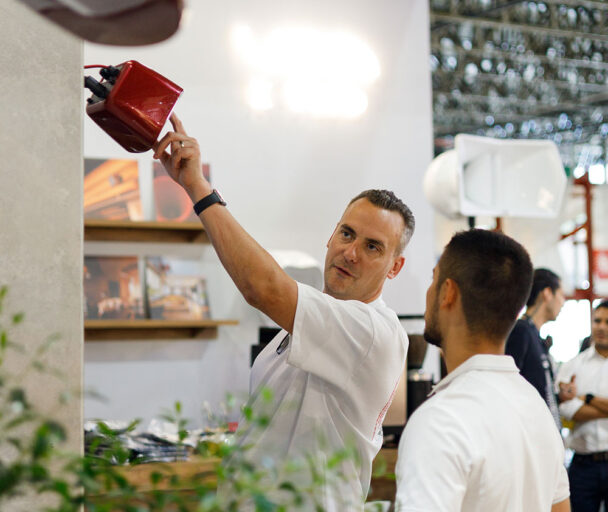
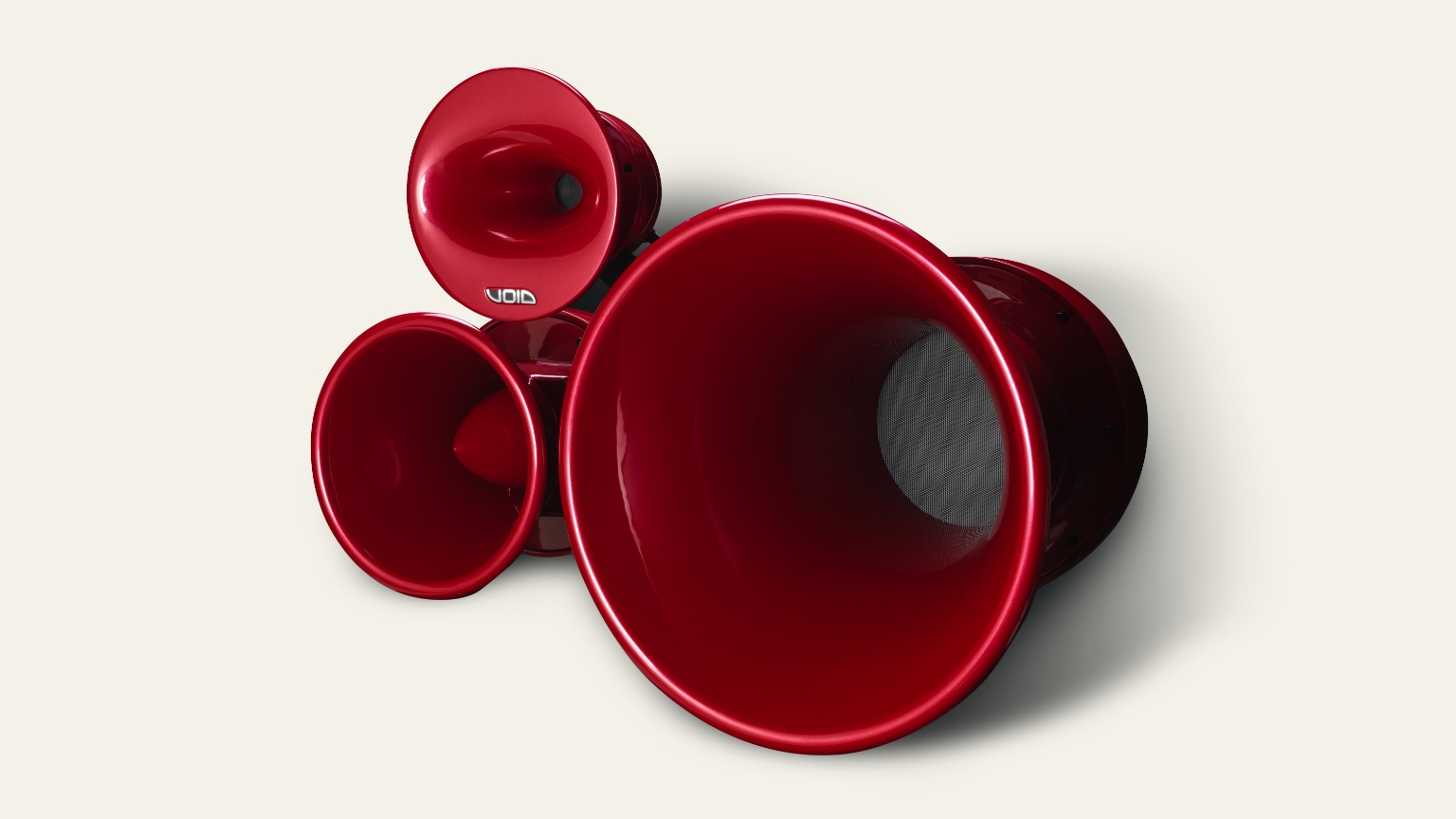
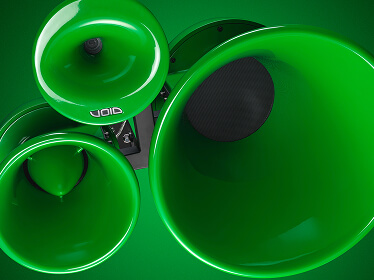
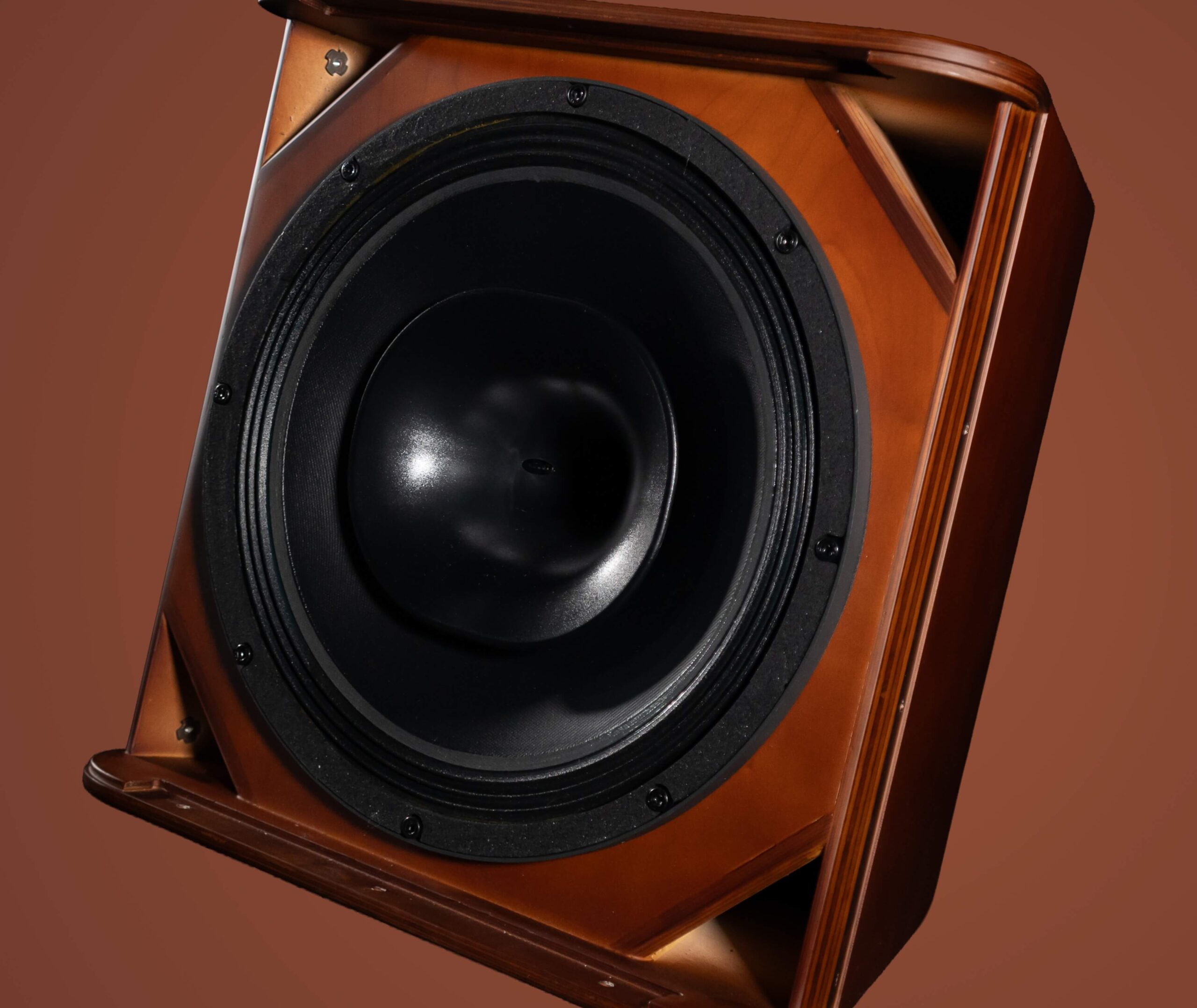
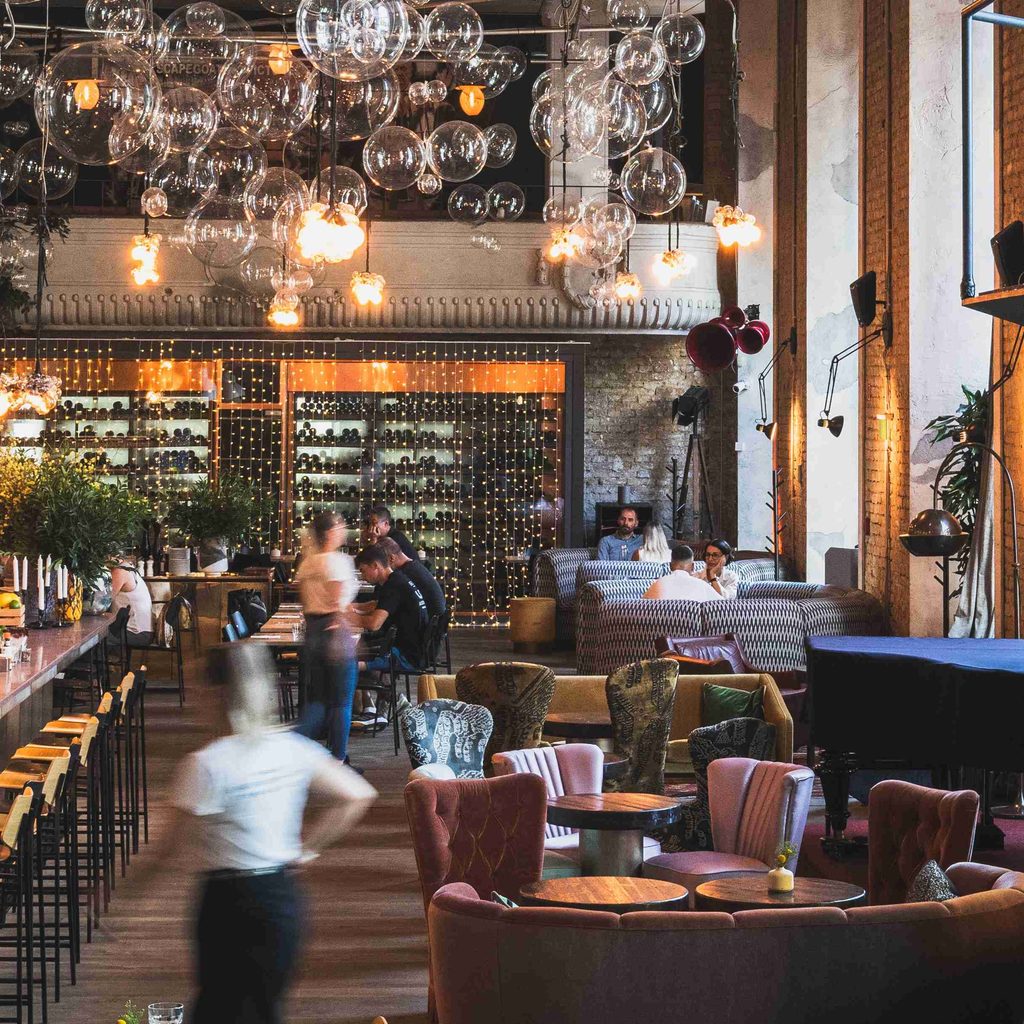
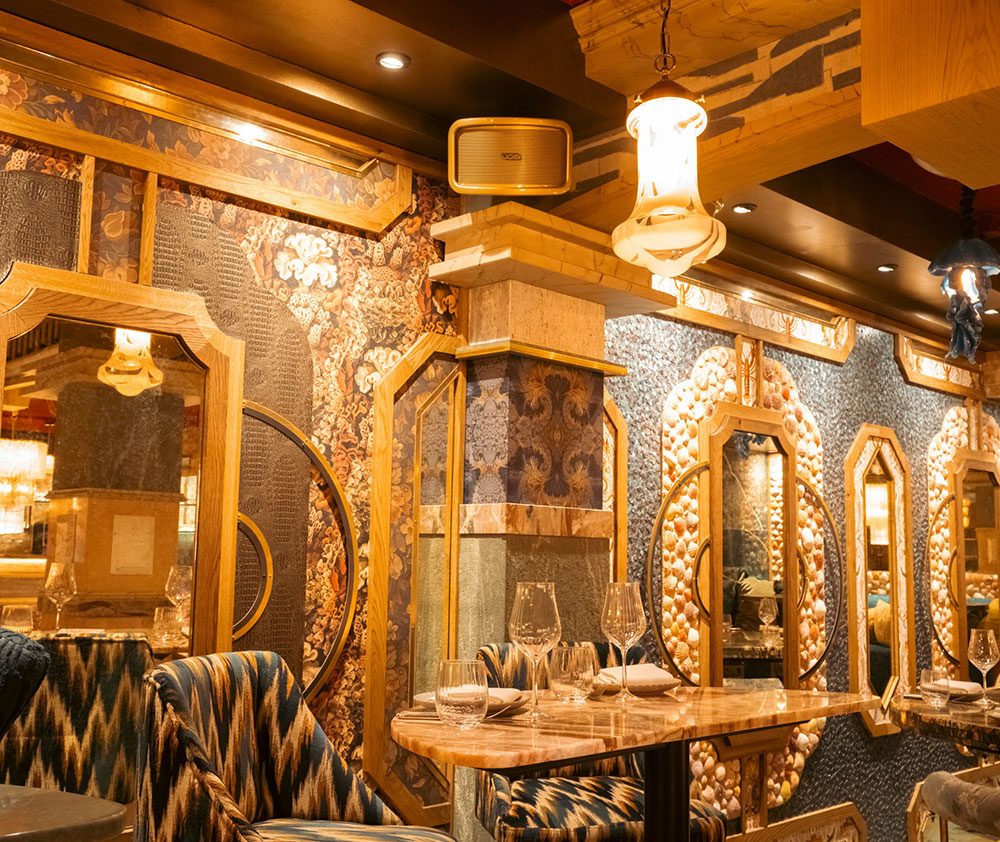
A designer should be able to look at a loudspeaker and think, “I could do something with that.” A sculptural form. A colour that connects with the room. A natural wood finish that sits comfortably alongside the other materials.
At Void, we’ve spent years making loudspeakers with a visual identity of their own. That approach grew out of nightlife, where sound, design and the character of a venue belong together. We’re bringing that experience into a wider range of spaces, with more possibilities for designers to work with.
They should belong in the space. Sometimes that means a quiet material detail. Sometimes it means a more confident presence. Giving designers that choice is part of our job.
Sound belongs in the design conversation
The design community is already talking about this.
Writing in Hotel Designs, Tatiana Sheveleva, founder of CHAPI Design, describes sound as “a design material in its own right”. Her argument considers the whole sensory experience of hospitality, including subtle interventions and the way a space makes people feel. [1]
To me, that’s an invitation to our industry.
If sound helps shape the experience, we should be involved while that experience is being designed. While the layout, materials and atmosphere are still being discussed, there is room to make better decisions together.
What should the room feel like? Where do people need to talk? How will it change through the day? What role could the loudspeakers play visually?
Those are useful conversations for manufacturers, designers, integrators and operators to have around the same table.
Loudspeaker design in hospitality spaces
Since launching The Natural Wood Collection in 2026, we’ve seen an encouraging response to our natural wood finish loudspeakers. It’s a promising sign that designers are looking for more choice in materials and finishes.
The projects show what that choice can mean in practice.
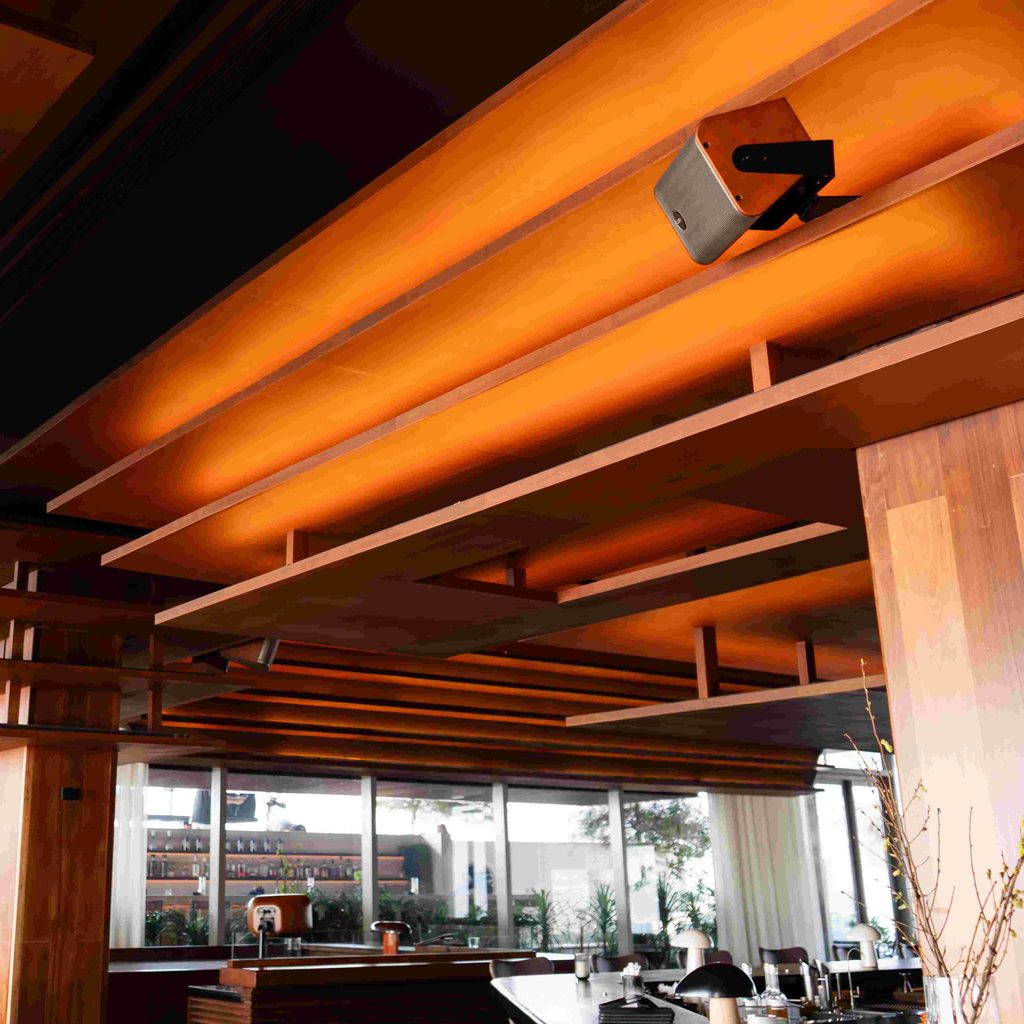
At The NORM in Bangkok, Vintage-finish Venu loudspeakers sit within an interior of timber, stone and leather. Working with Aura Visual System, the installation gives sound a place within the material palette. The loudspeakers are visible, and they belong there. [2]
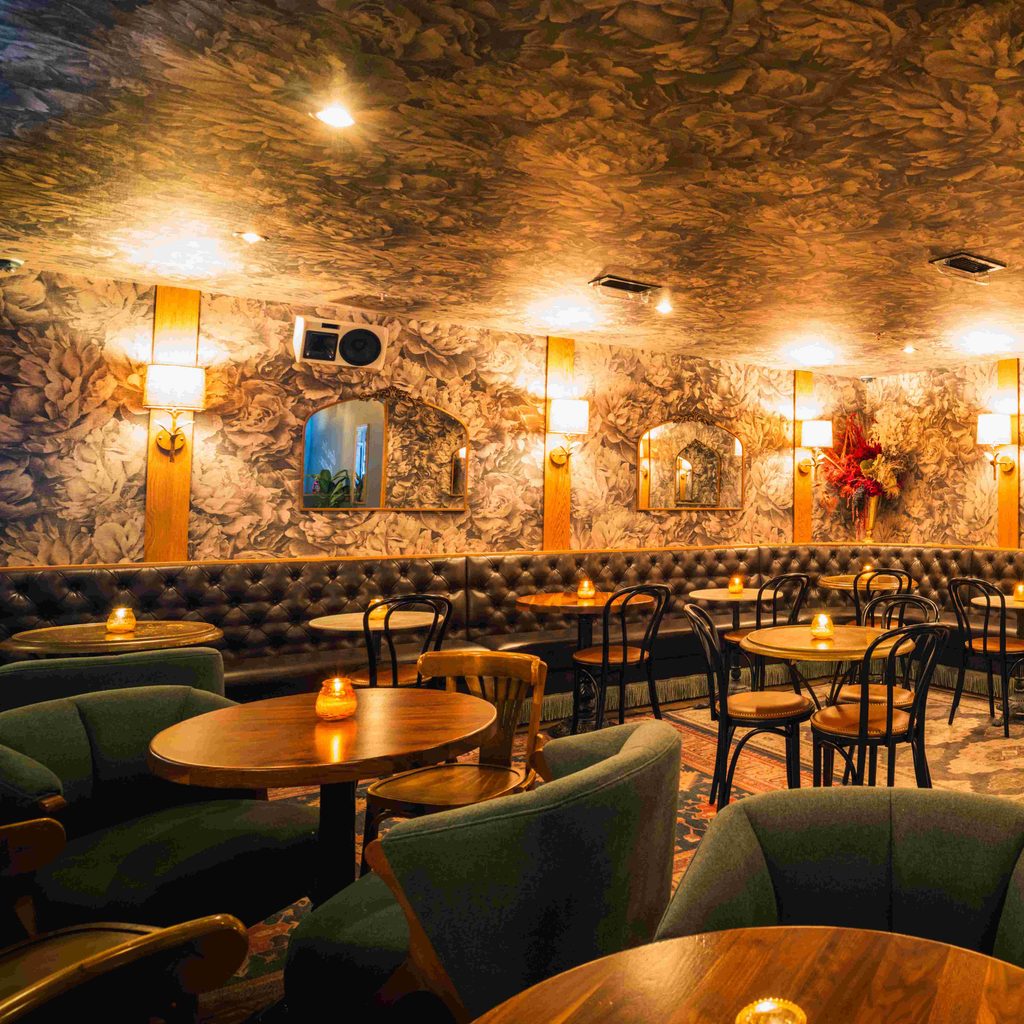
At Best Regards in Houston, custom-coloured Air Motion loudspeakers take a different approach. Their sculptural forms contribute to the room’s identity, with a finish chosen to connect them to the interior. [3]
As owner Morgan Hansen puts it: “It’s as much a part of the design as the lighting or architecture.” [3]
Two different spaces. Two different expressions of the same opportunity: consider the loudspeaker as part of the room.
Looking good doesn’t let us off the engineering
Our roots at Void are in nightlife. We understand how much sound can contribute to the identity of a venue. Bringing that experience into the wider hospitality market means listening carefully to what each project needs.
In a restaurant, people need to enjoy their conversation. Across a hotel, the atmosphere changes from space to space and throughout the day. In a listening bar, the music may be the reason people came to the venue.
Our job is to understand that and make it work.
A beautiful loudspeaker still has to sound right, cover the room properly and be straightforward for the team to operate. Its appearance is one part of a system that has to work for the people using it, every day.
We earn our place through well-designed products that perform as they should, proper support and an understanding of the whole project and its intended operation.
Let’s make them worth seeing
That’s the ambition I have for Void.
I want designers to be excited about what they could do with our products. I want our partners to see opportunities they can build a business around. And I want the people using these spaces to enjoy what we’ve helped create.
There is a shared opportunity here: more creative freedom for designers, enjoyable projects for integrators and spaces that deliver the atmosphere their operators imagined.
So my challenge is to our own industry.
We put enormous effort into making loudspeakers sound exceptional. We should bring that same ambition to how they look and how they belong in a space.
Let’s make them worth seeing.
Planning a hospitality space?
Bring us into the conversation while the ideas are taking shape.
References and projects
- Tatiana Sheveleva, “CHAPI Design on anti-trends and the rise of sensory intelligence”, Hotel Designs, 9 January 2026.
- “The NORM, Bangkok”, Void Acoustics, 9 October 2026.
- “Best Regards, Houston”, Void Acoustics, 5 August 2026.