- Products
By SeriesBy Product
- Discover
by industry
- About
- Resources
- Insights
- Contact
- Design Your Sound System
- Understanding Sound Systems
- Hear Void
- Partner Locator
- Natural Wood Collection
- Void Merch
- Careers

-

Understanding Sound Systems
Your guide to building the right sound system for your space
Understanding Sound Systems
Great sound is designed with intention
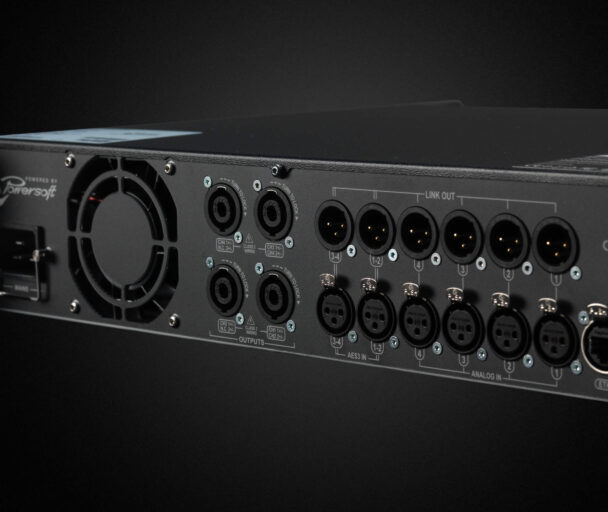
A sound system is more than a loudspeaker. It starts with a source, processes and amplifies that signal, then turns it into acoustic energy through the right loudspeakers in the right places.
Room size, layout, surface materials, listening areas, sound levels, frequency range, durability, control, integration and aesthetics all affect the result. That is why the best systems are considered as a whole from the earliest stages of a project.
System components
Main loudspeakers
The core of the system
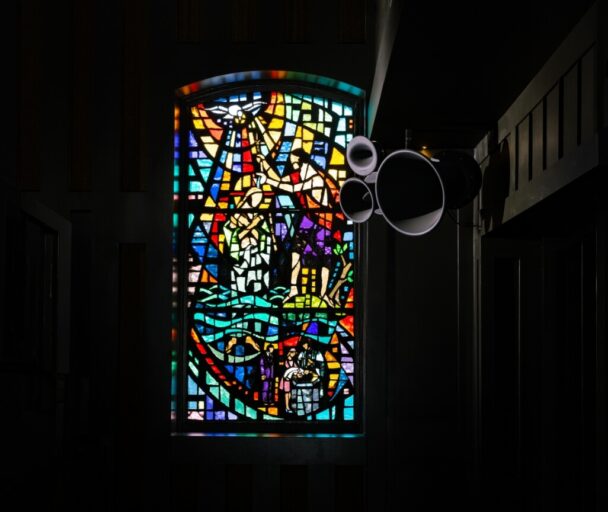
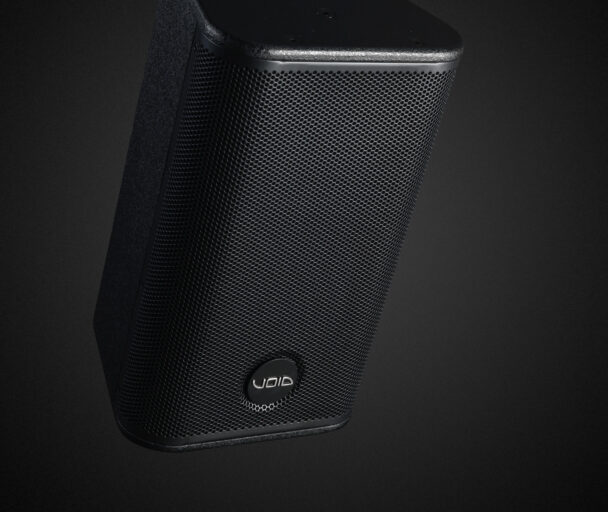
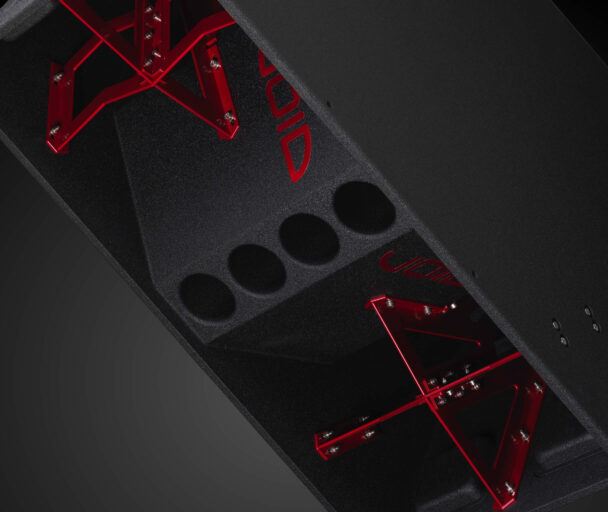
The main loudspeakers are typically full-range and define much of the system’s character, output and coverage. They may be used either side of a stage, distributed around a hospitality space or installed as part of a wider venue system.
Key considerations:
- Room size
- Coverage angle
- Required output
- Frequency range
- Indoor or outdoor use
- Visual requirements
Example applications
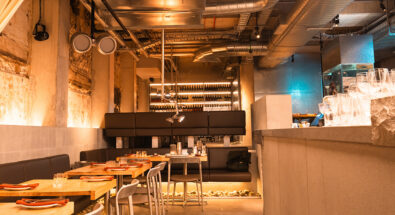
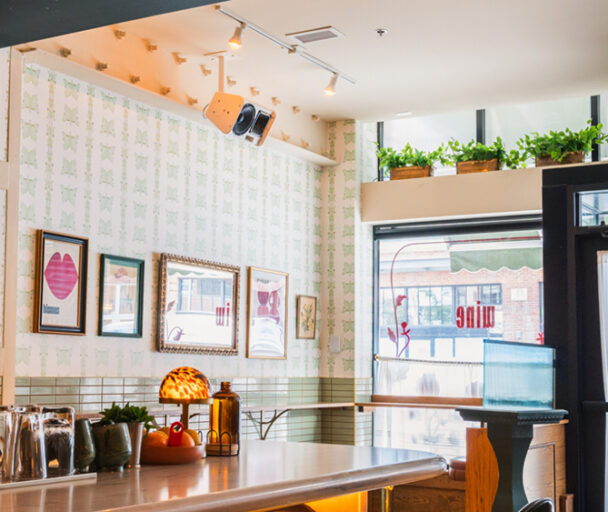
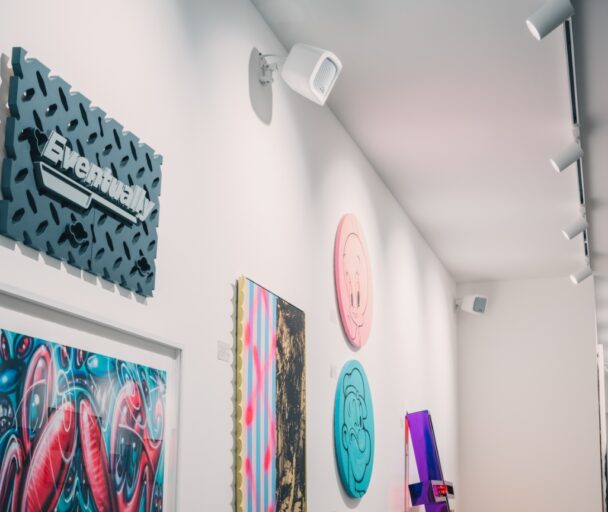
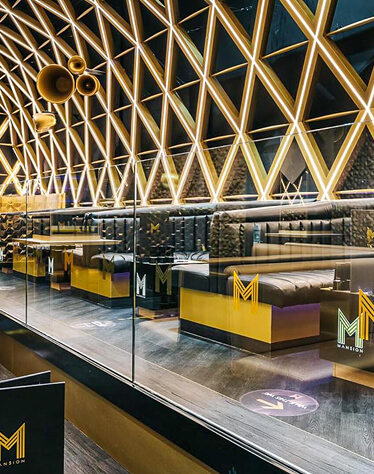
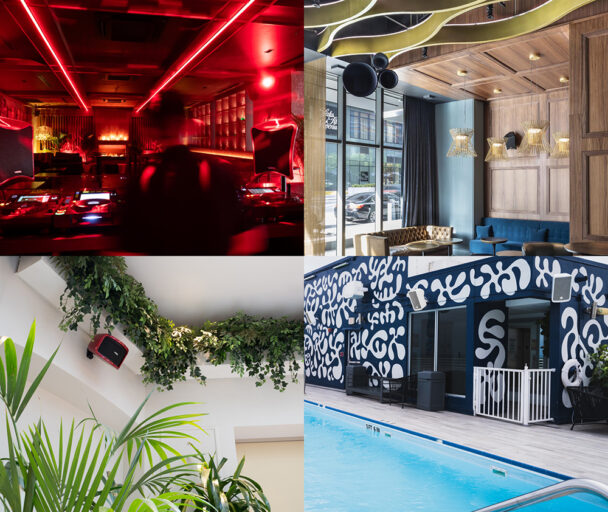
Relaxed dining spaces
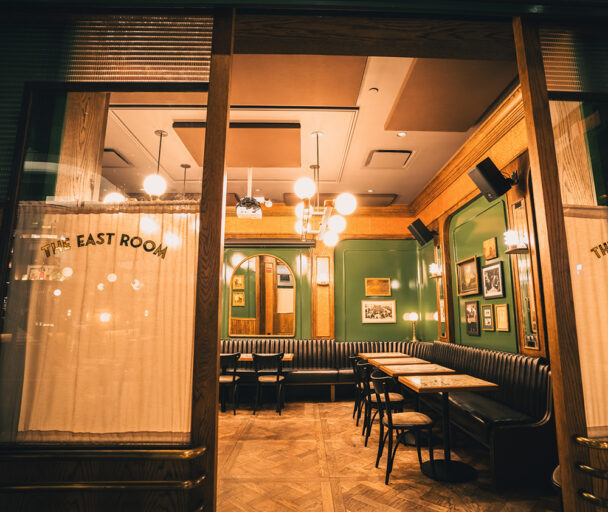
Even, comfortable sound that supports conversation while adding atmosphere across restaurants and hospitality spaces.

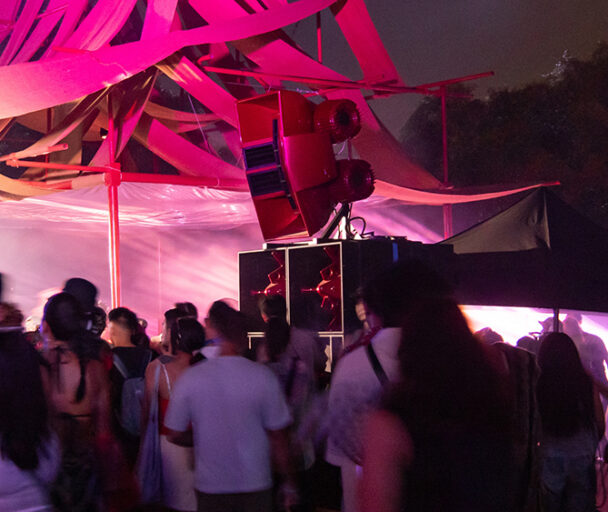
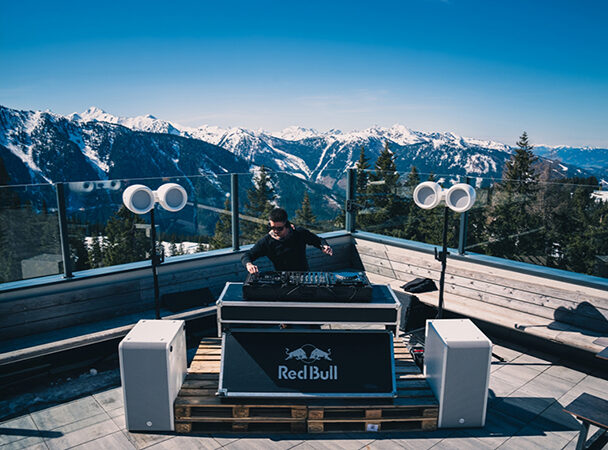
High-energy club venues
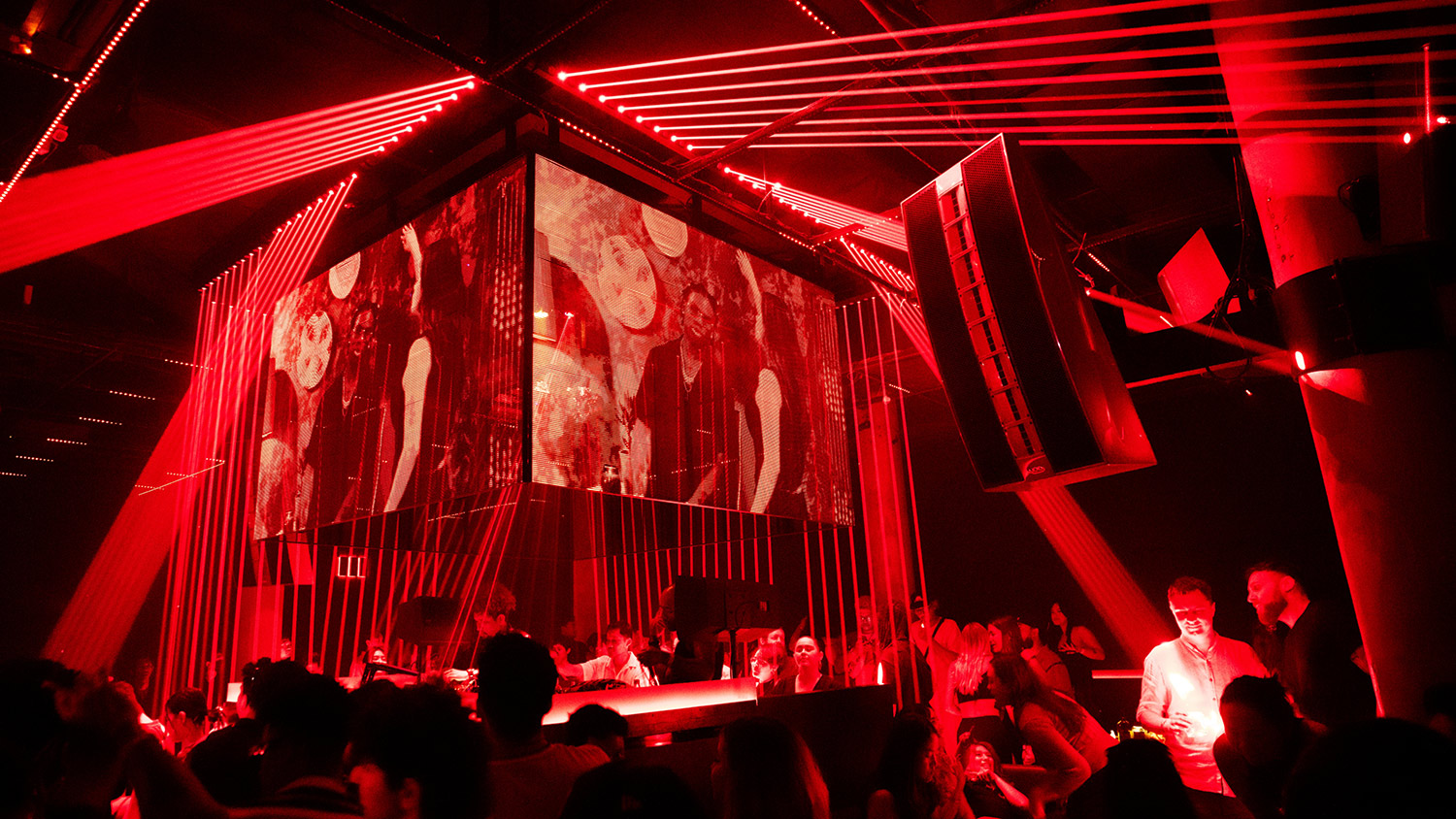
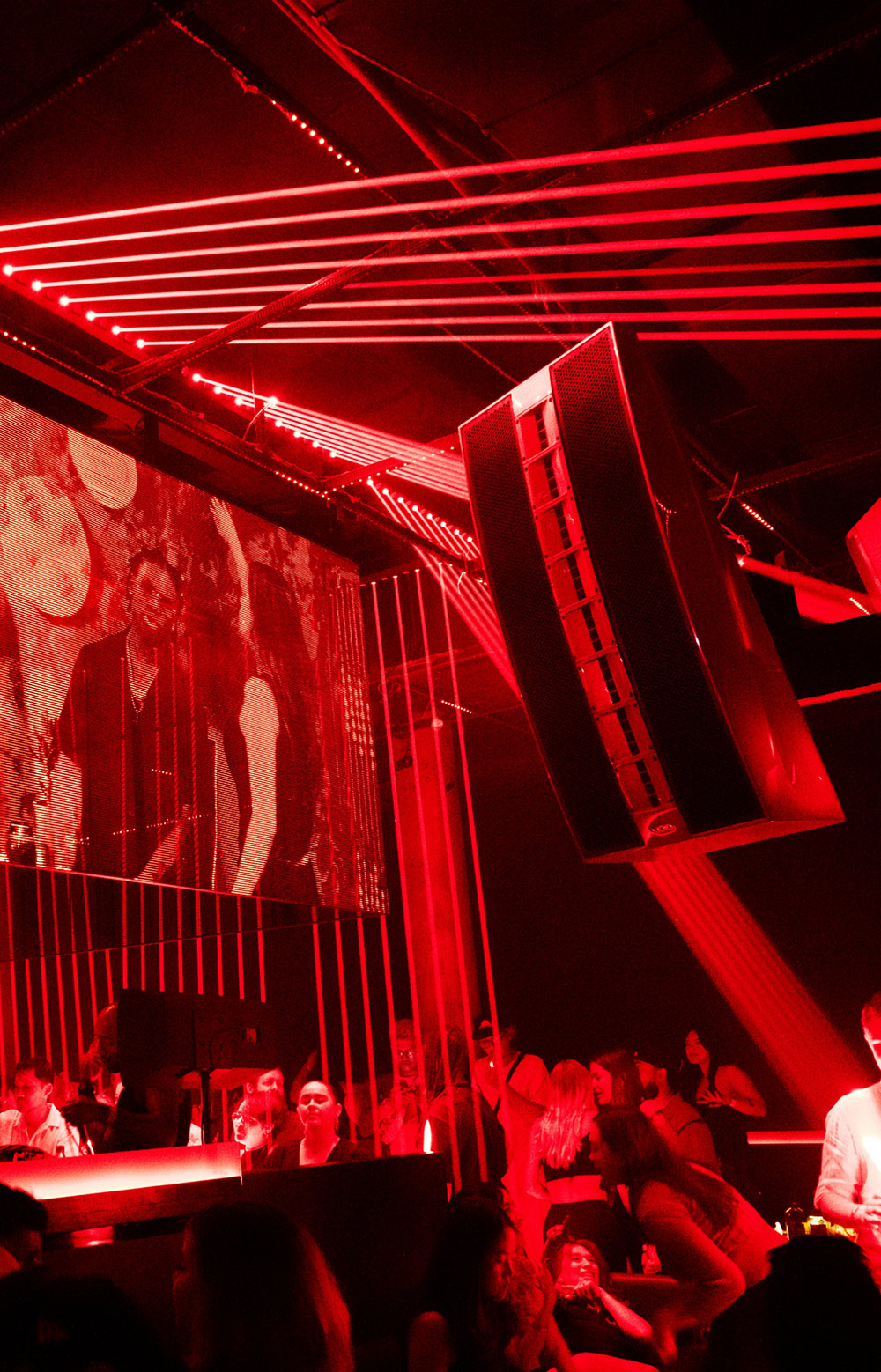
Full-range, high-output sound for music-led spaces where low-end energy, clarity and coverage shape the experience.
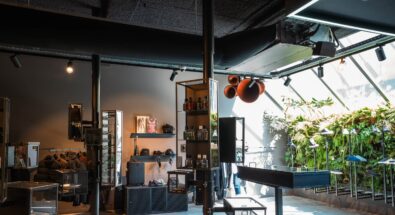
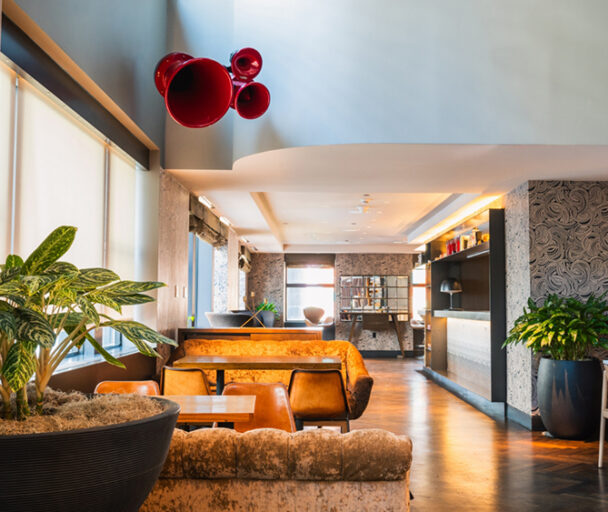
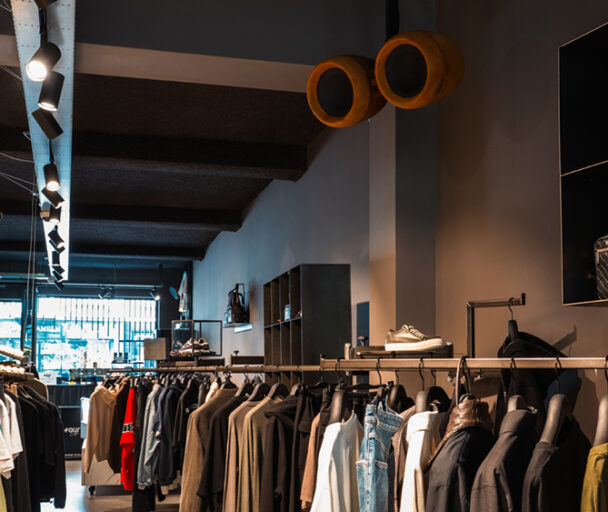
Branded retail environments
Controlled audio for retail spaces where atmosphere, brand identity and customer experience all need to work together.
Why a great system matters
-
Deliver even coverage across the space
-
Provide full-range sound from lows to highs
-
Reduce listener fatigue
-
Optimise tuning and DSP
-
Ensure reliable real-world performance
-
Simplify day-to-day operation
Background vs live
Different uses need different systems
Background music and live audio place very different demands on a system. Some venues require subtle, even coverage that supports conversation, while others demand greater output and control to shape an engaging live experience. A fundamentally different solution is required to achieve these different results.
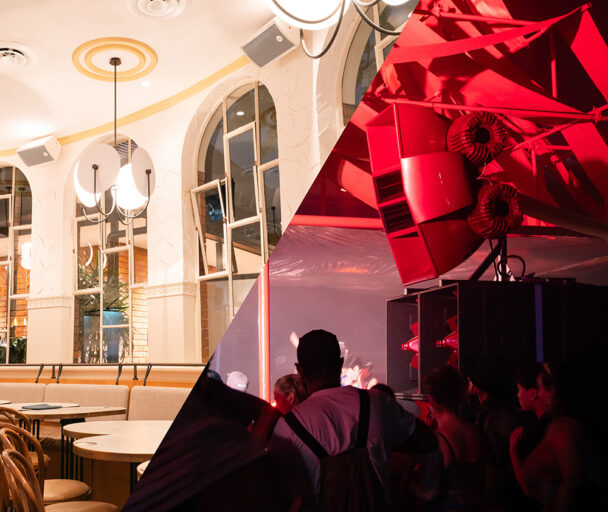
Small vs large
Scale changes the system design
A small venue may only need a simple, well-positioned system. Larger spaces often require multiple loudspeakers, subwoofers, delay zones and more detailed control to keep coverage consistent.
The aim is not simply to make the system louder. It is to ensure the right sound reaches the right areas at the right level.

Indoor vs outdoor
Outdoor solutions need careful consideration
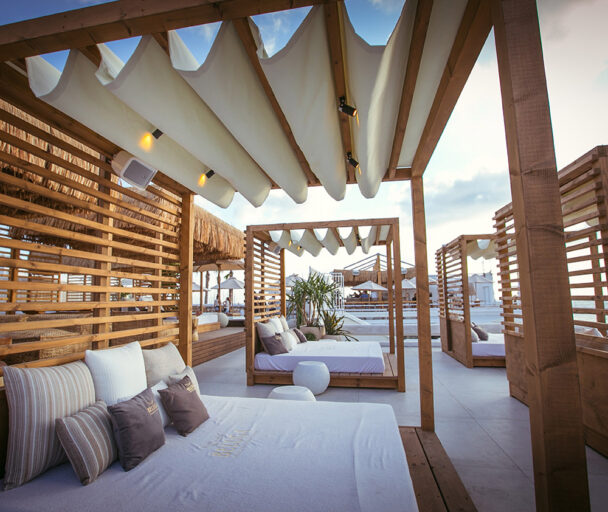
Outdoor spaces behave differently from indoor rooms. There are fewer surfaces to contain sound, weather conditions can change, and coverage needs to be controlled carefully across open areas.
Outdoor systems must be durable, correctly positioned and designed to deliver consistent sound without wasting energy or disturbing neighbouring spaces.
Design your system
Understand what your space needs
Every space deserves careful consideration to achieve the best possible performance. Loudspeaker and amplifier selection, placement, coverage and tuning all play a critical role in the final result. Our team can help you design the right system and get it right first time.
01
Tell us about your space and goals
02
Define the right solution for you
03
Connect with the right integration partner