
-

Understanding Sound Systems
Your guide to building the right sound system for your space
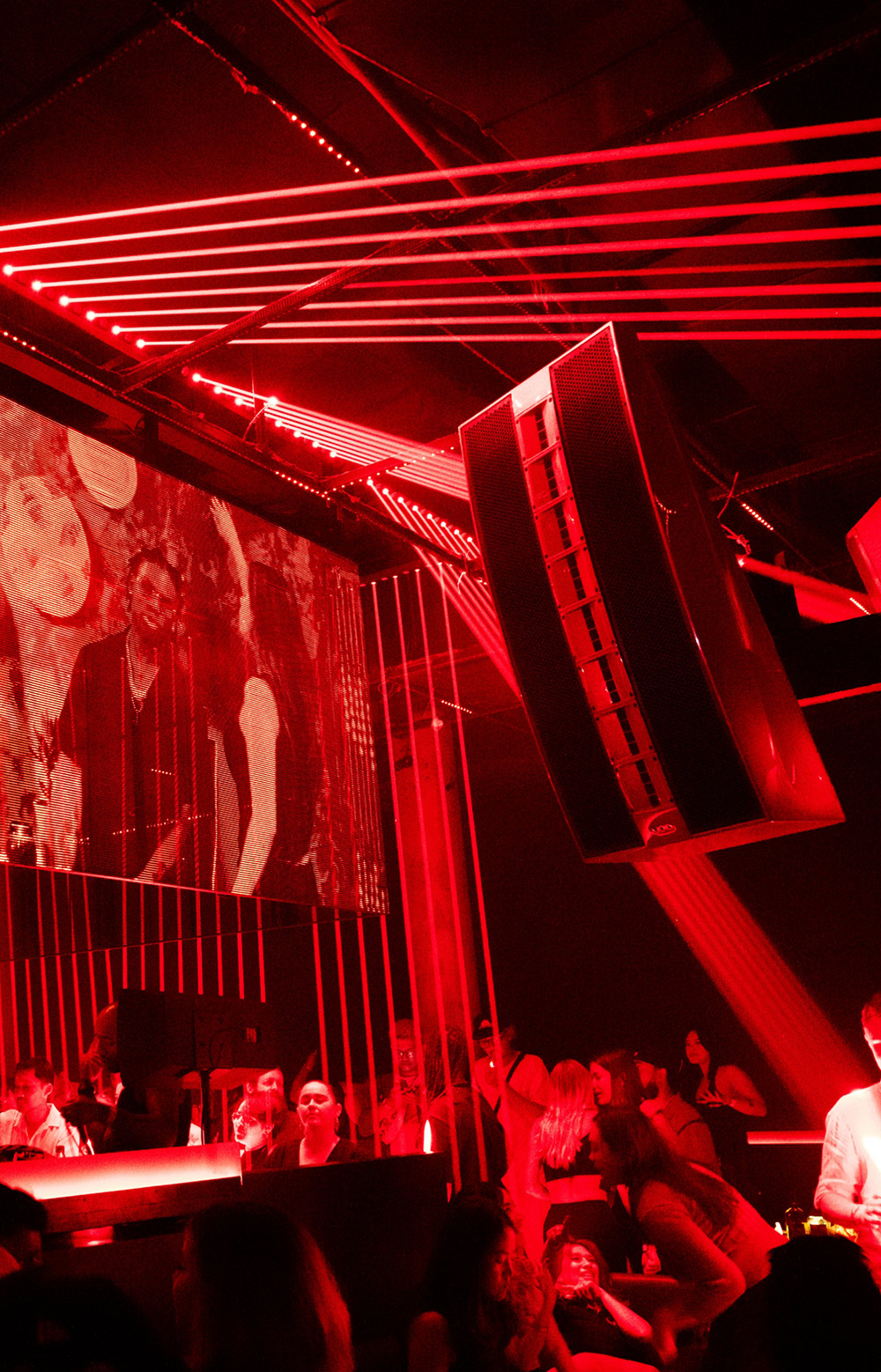
Great sound is designed with intention
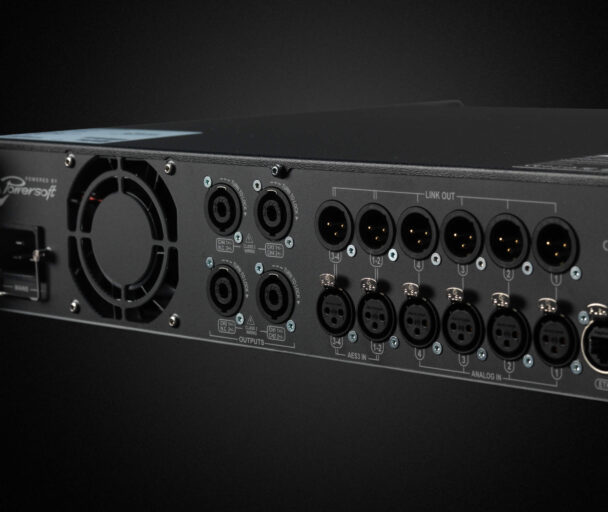
A sound system is more than a loudspeaker. It starts with a source, processes and amplifies that signal, then turns it into acoustic energy through the right loudspeakers in the right places.
Room size, layout, surface materials, listening areas, sound levels, frequency range, durability, control, integration and aesthetics all affect the result. That is why the best systems are considered as a whole from the earliest stages of a project.
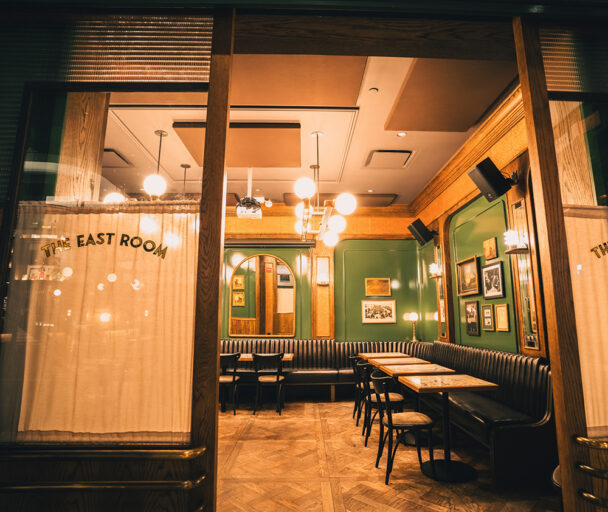
System components
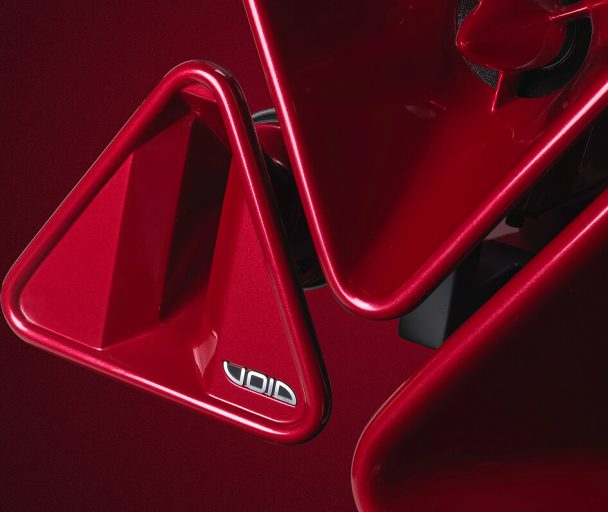
The core of the system
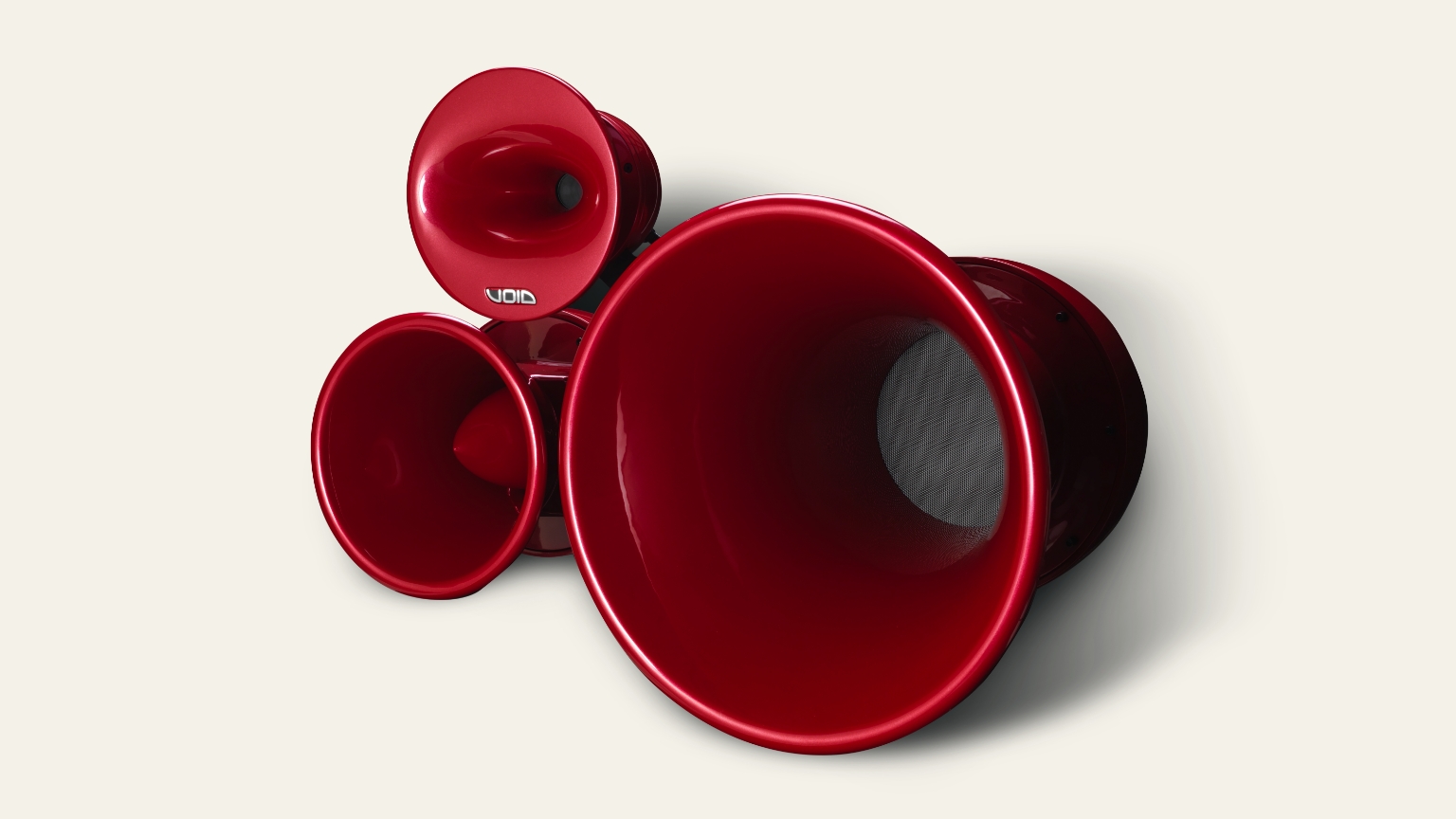
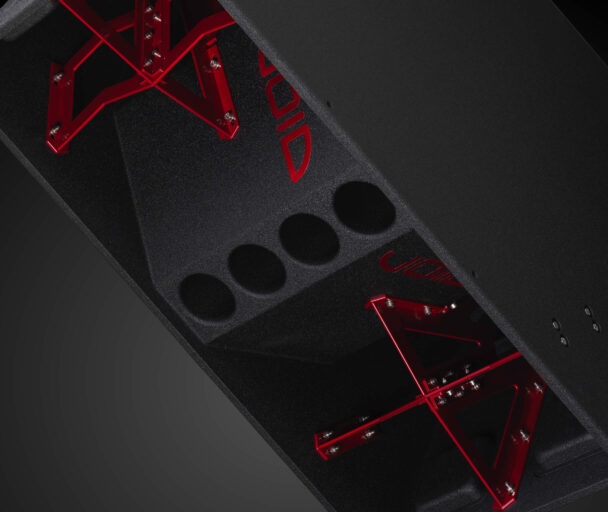
The main loudspeakers are typically full-range and define much of the system’s character, output and coverage. They may be used either side of a stage, distributed around a hospitality space or installed as part of a wider venue system.
Key considerations:
- Room size
- Coverage angle
- Required output
- Frequency range
- Indoor or outdoor use
- Visual requirements
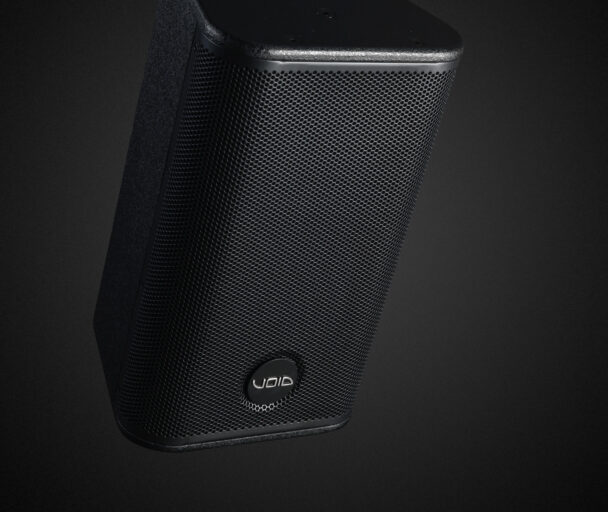
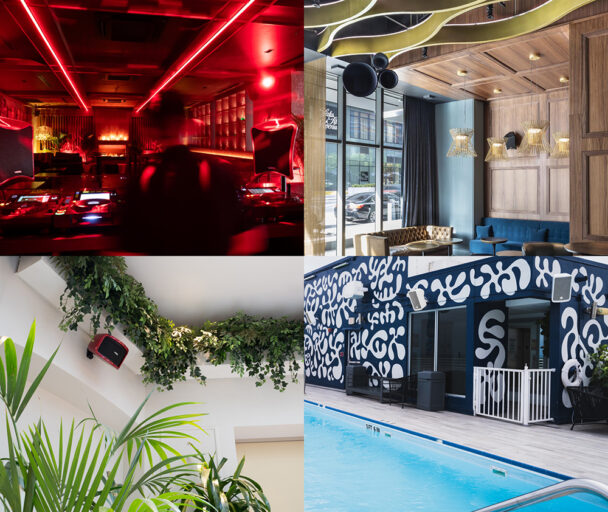
Example applications
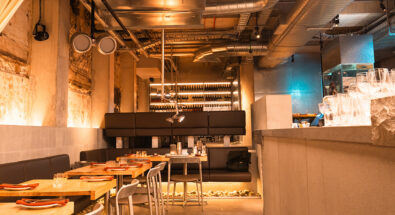
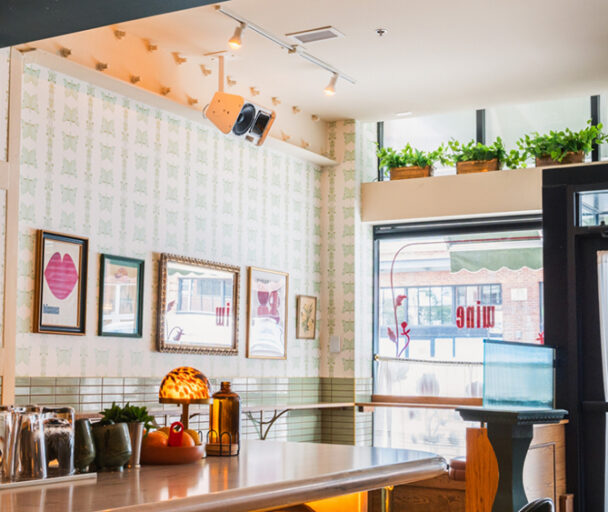
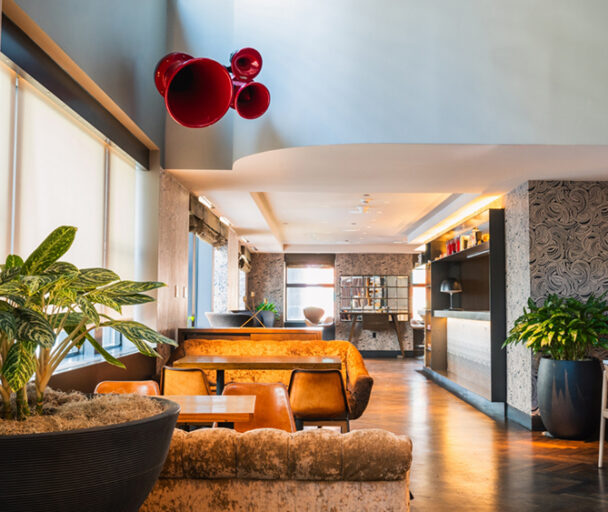
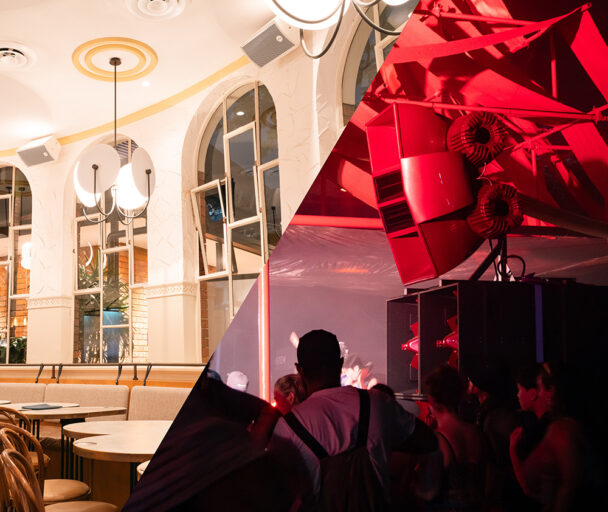
Relaxed dining spaces
Even, comfortable sound that supports conversation while adding atmosphere across restaurants and hospitality spaces.

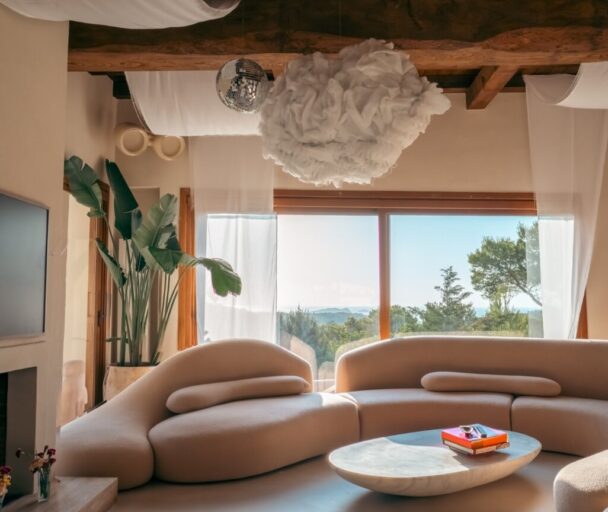
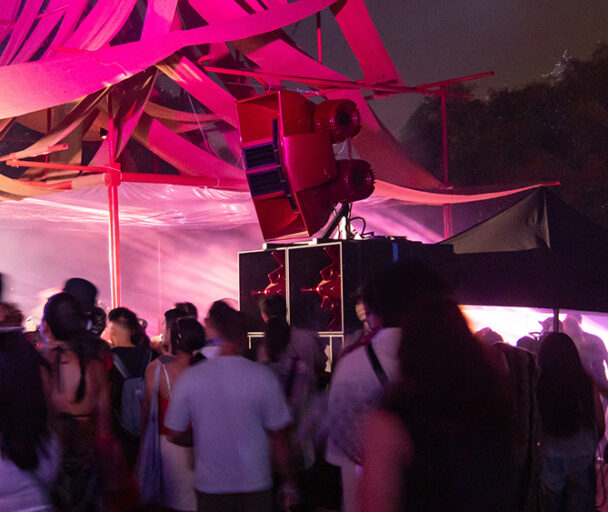
High-energy club venues
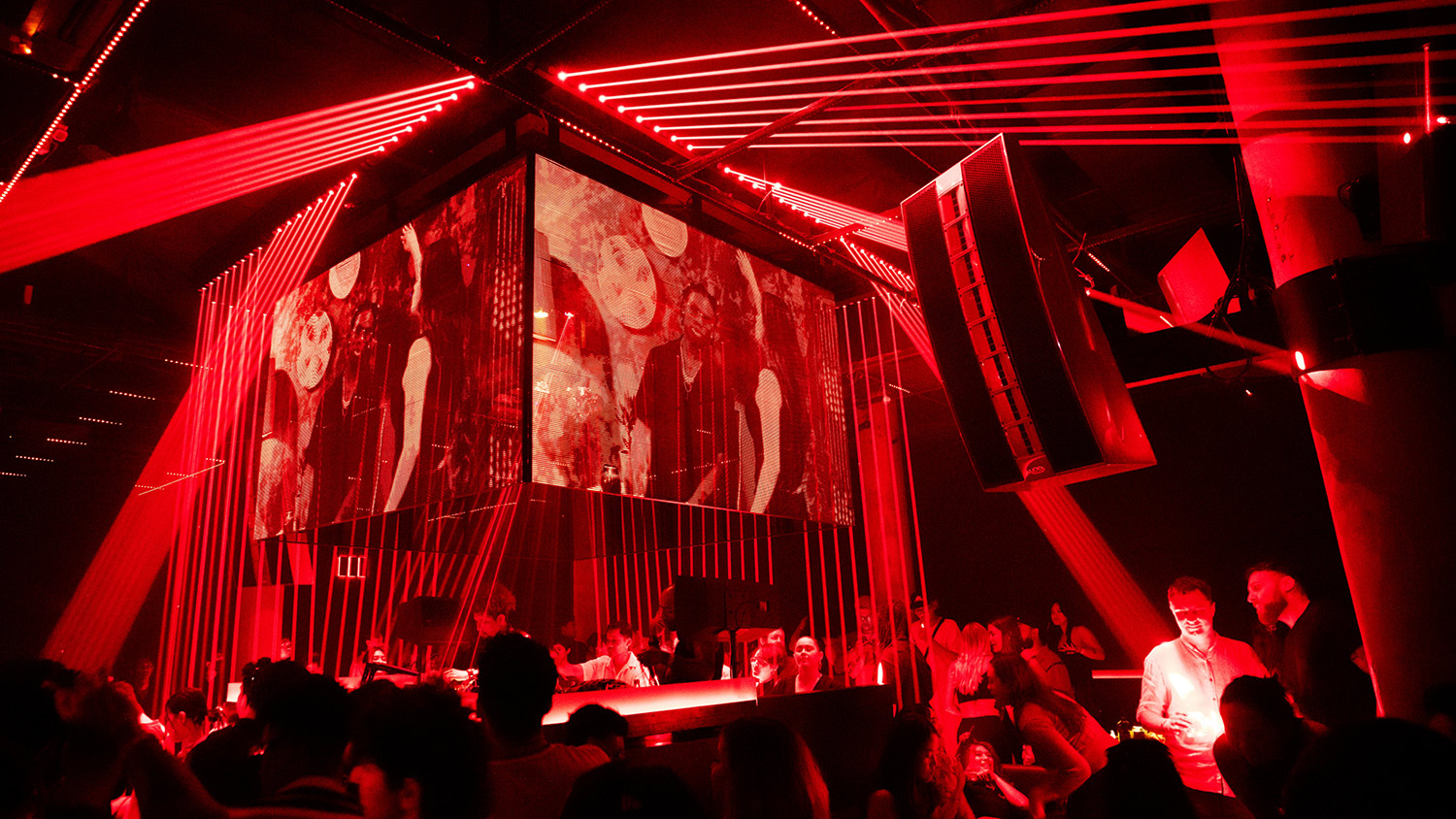
Full-range, high-output sound for music-led spaces where low-end energy, clarity and coverage shape the experience.
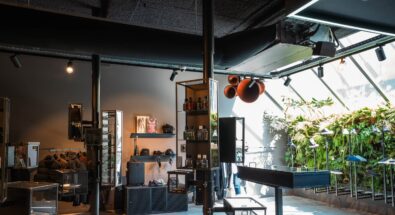
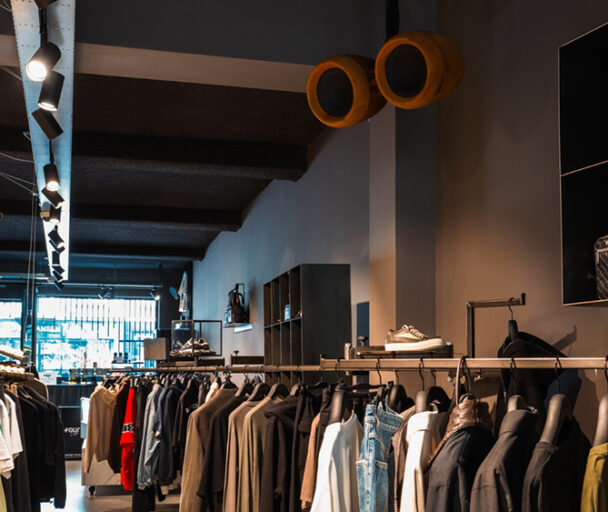
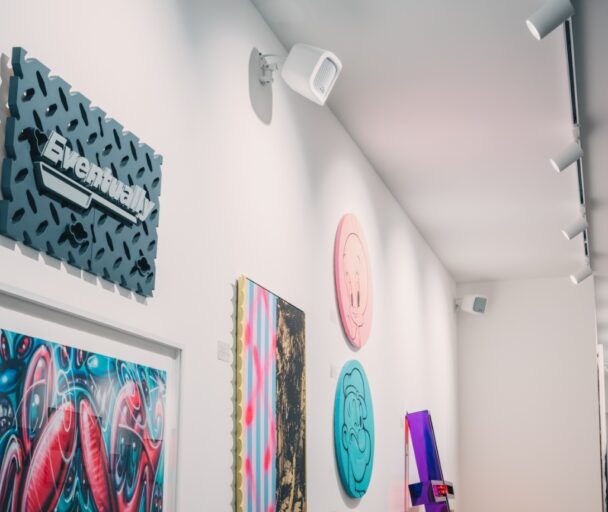
Branded retail environments
Controlled audio for retail spaces where atmosphere, brand identity and customer experience all need to work together.
Why a great system matters
-
Deliver even coverage across the space
-
Provide full-range sound from lows to highs
-
Reduce listener fatigue
-
Optimise tuning and DSP
-
Ensure reliable real-world performance
-
Simplify day-to-day operation
Different uses need different systems
Background music and live audio place very different demands on a system. Some venues require subtle, even coverage that supports conversation, while others demand greater output and control to shape an engaging live experience. A fundamentally different solution is required to achieve these different results.
Scale changes the system design
A small venue may only need a simple, well-positioned system. Larger spaces often require multiple loudspeakers, subwoofers, delay zones and more detailed control to keep coverage consistent.
The aim is not simply to make the system louder. It is to ensure the right sound reaches the right areas at the right level.

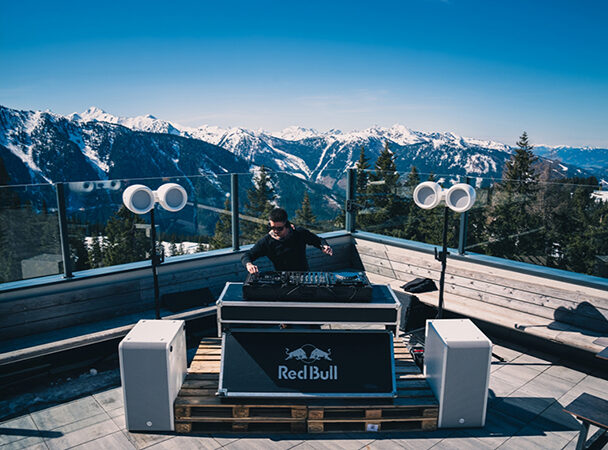
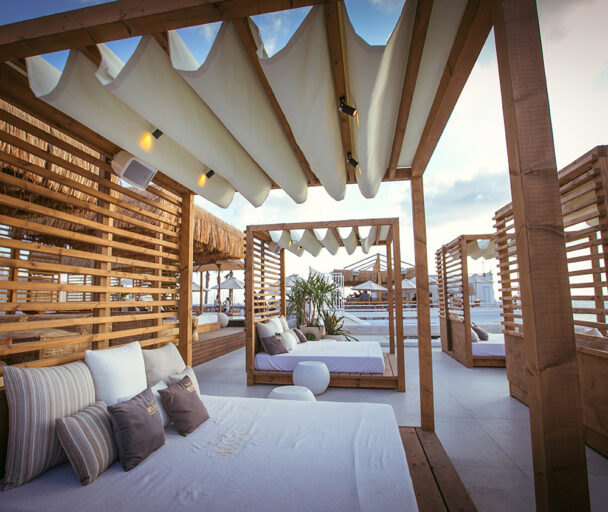
Outdoor solutions need careful consideration
Outdoor spaces behave differently from indoor rooms. There are fewer surfaces to contain sound, weather conditions can change, and coverage needs to be controlled carefully across open areas.
Outdoor systems must be durable, correctly positioned and designed to deliver consistent sound without wasting energy or disturbing neighbouring spaces.
Understand what your space needs
Every space deserves careful consideration to achieve the best possible performance. Loudspeaker and amplifier selection, placement, coverage and tuning all play a critical role in the final result. Our team can help you design the right system and get it right first time.